The Art of Living Well: How Regent Signature Developments Is Introducing Luxury Around Wellness at The Vie West Cairo
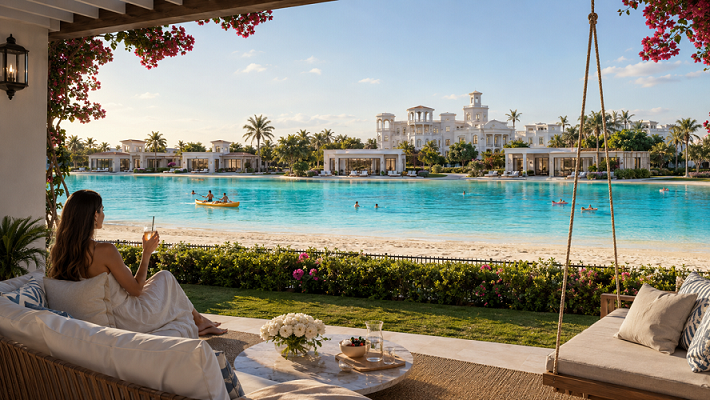
With The Vie West Cairo, Regent Signature Developments is betting that the next chapter of luxury real estate will be defined less by what residents own and more by how they live. Led by Founder and CEO Mohab El Tabei, the developer is bringing together wellness, hospitality, landscape, culture, and residential design under one philosophy: “Well-Lived Art.”
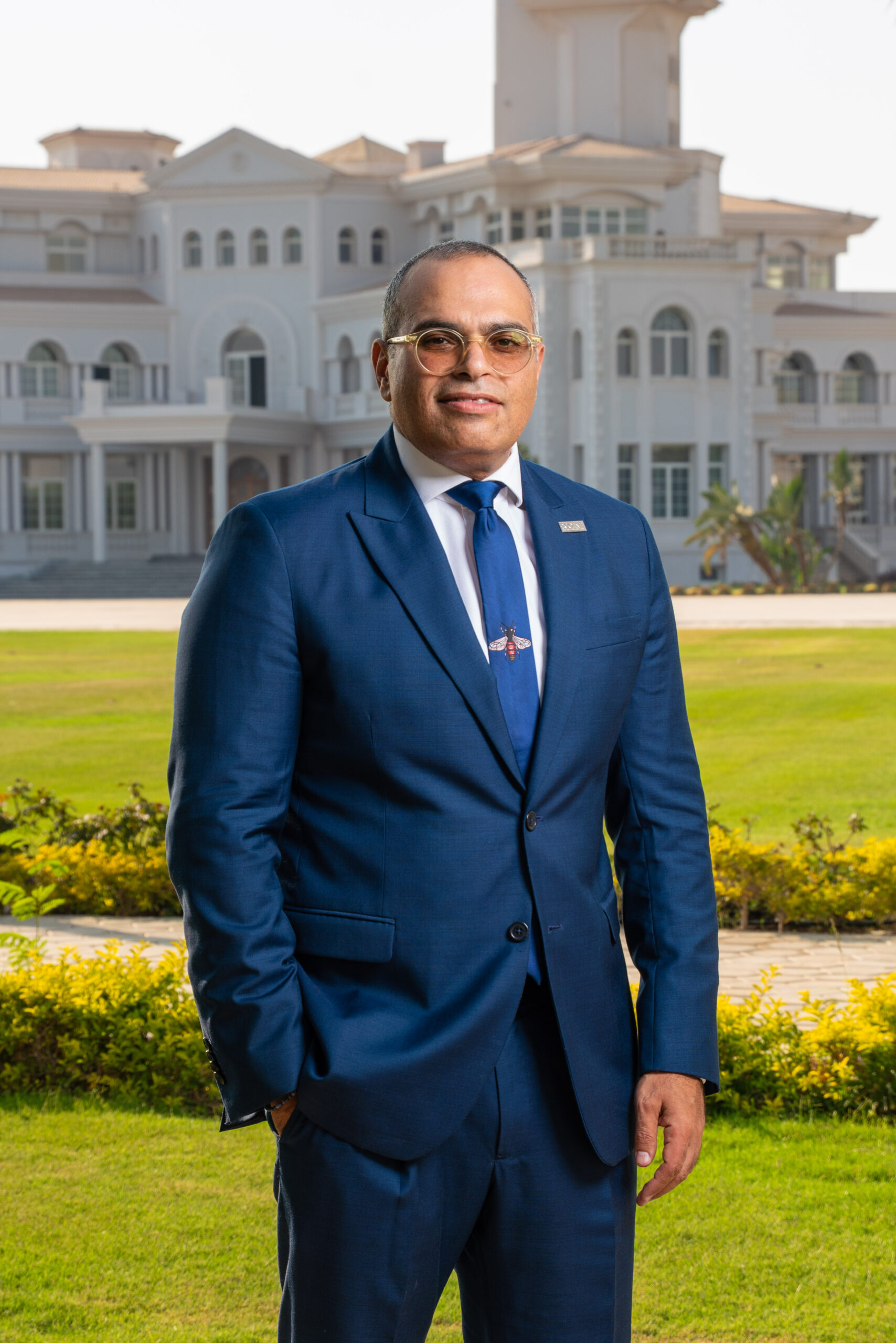
Mohab El Tabei: The Experience Behind the Vision
For Mohab El Tabei, Founder and CEO of Regent Signature Developments, The Vie West Cairo arrives after more than 27 years spent at the intersection of real estate, investment, finance, and hospitality. His career has included CEO, Head of Investments, and board-level positions across leading Egyptian developers, with experience spanning New Giza, Emaar Misr, Tatweer Misr, and living yards alongside exposure to global hospitality ecosystems including Four Seasons, Fairmont, and Raffles. Regent's company profile attributes to his wider track record more than EGP 500 billion in investments, EGP 700 billion in revenues, over 15 landmark projects, and more than EGP 15 billion in funding.
That background is particularly relevant to the proposition Regent is now putting forward. The Vie is not conceived simply as another upscale residential compound in West Cairo. Instead, it reflects the convergence of several disciplines El Tabei has worked across throughout his career: real estate development, hospitality operations, investment strategy, and the increasingly important question of how built environments affect the people living within them.
The result is a development philosophy that places experience before product.
From Luxury Real Estate to “Well-Lived Art”
Regent Signature Developments begins from a simple observation: traditional definitions of luxury are becoming easier to replicate. Larger homes, premium finishes, clubhouses, landscaped spaces, and extensive amenity lists have become familiar features across the upper end of the market.
The company therefore positions differentiation elsewhere. In its own philosophy, design is led by experience, living is shaped by hospitality, value is connected to sustainability, and investment follows lifestyle. Its proposition is not simply to build assets but to create environments where architecture, experience, and human connection operate as one system.
Regent calls that philosophy “Well-Lived Art.”
It is organized around four interconnected pillars: Holistic Wellbeing, Artful Hospitality, 360 Culinary Experience, and Cultural Manifestation.
The Vie is where that philosophy becomes physical.
The Vie West: From Philosophy to Place
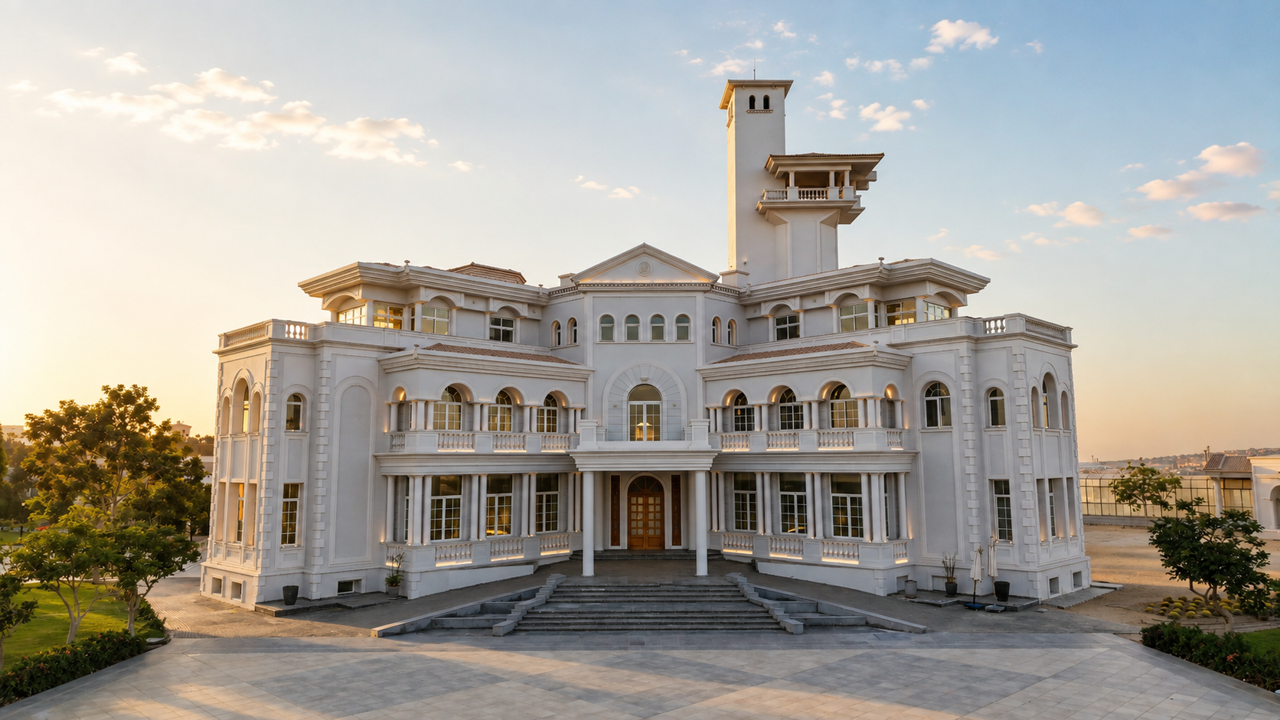
Set across approximately 40 acres in West Cairo, with 180 M above sea level. The Vie is designed as a Hospitality destination rather than a conventional residential enclave. Regent’s materials cite more than EGP 15 billion in residential investment, over EGP 2 billion in hospitality investment, and projected residential revenues exceeding EGP 25 billion.
The developer presents three elements as market-defining characteristics of the project: a fully integrated wellness community, a fully hospitality-serviced community, and an experiential dual-lake concept.
Yet the most important of these is arguably wellness, because at The Vie West it is intended to function not as another amenity category but as the organizing principle of the project.
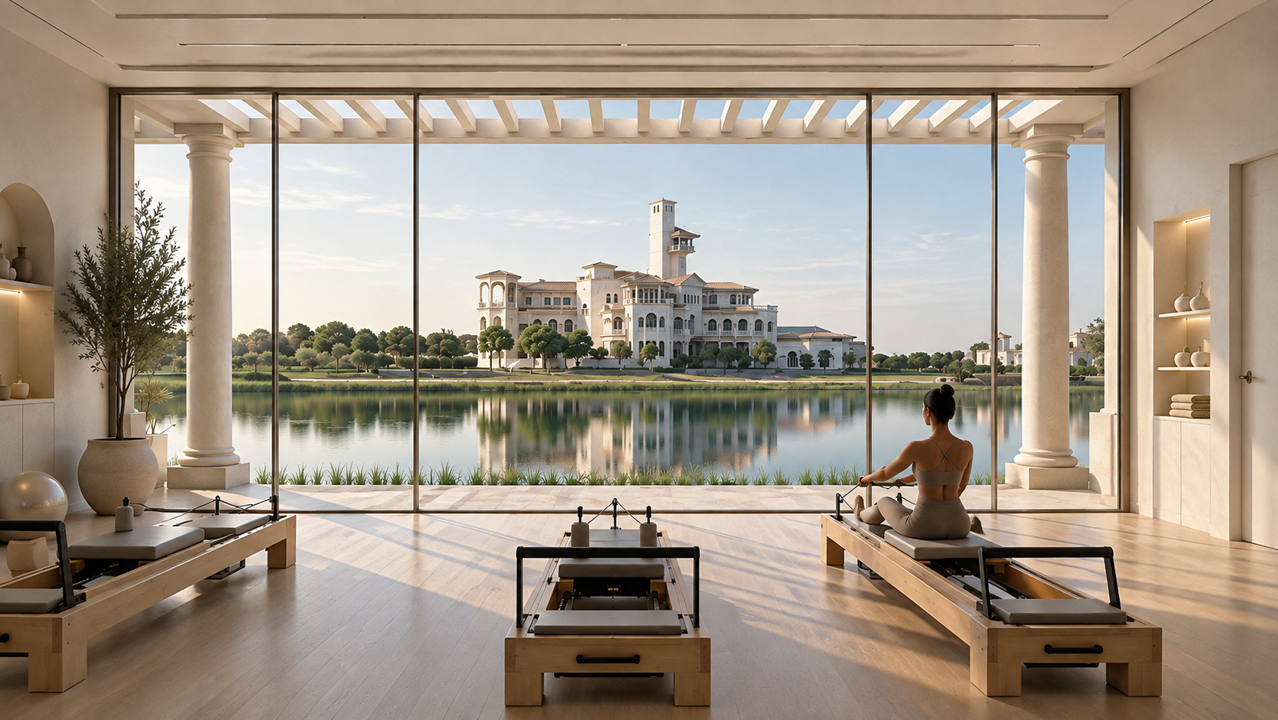
Wellness Is Not an Amenity, It Is the Masterplan
In conventional residential development, wellness is often associated with a gym, spa, swimming pool, or perhaps a jogging track. The Vie West takes a broader interpretation.
Its landscape strategy addresses physical, mental, social, spiritual, and environmental wellbeing, translating each into different spatial experiences.
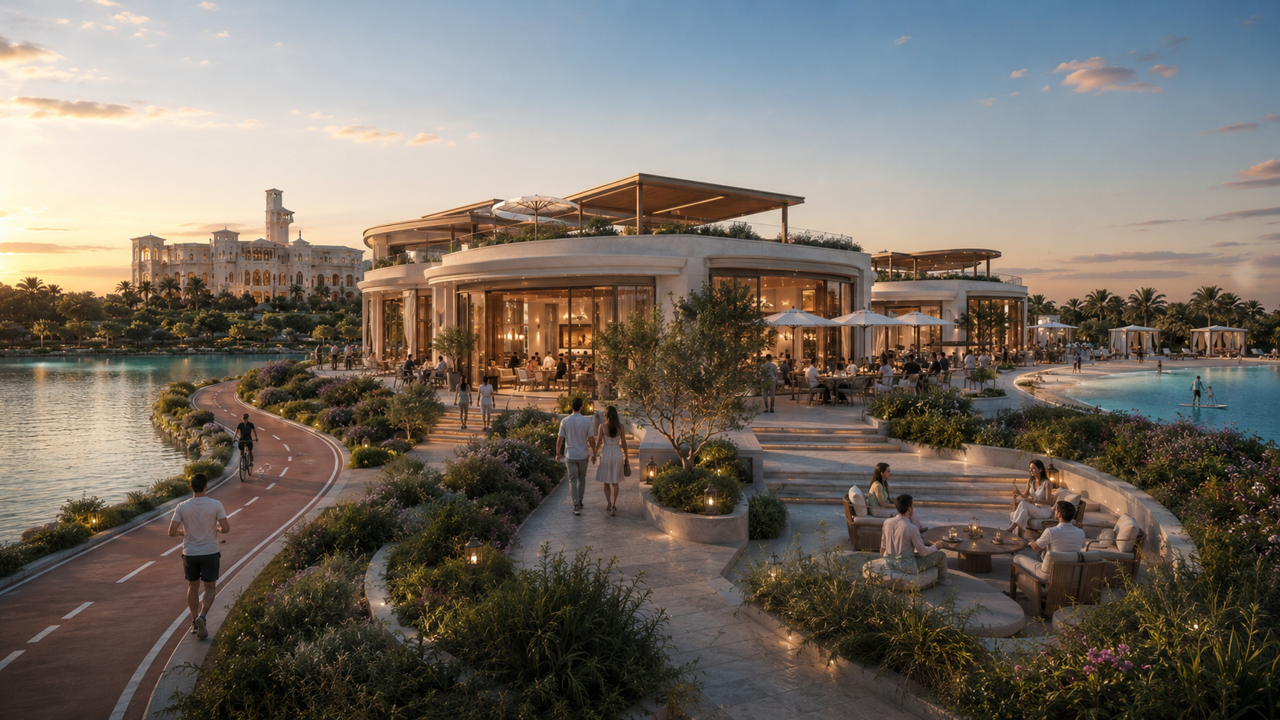
Active areas incorporate walking paths, jogging tracks, outdoor fitness zones, and open green spaces. Calmer areas use shaded gardens, water features, planting, and sensory elements to create settings for rest and reflection. Social spaces are intended to encourage interaction and community engagement, while ecological areas connect landscape design with environmental quality and residents’ relationship with nature.
That distinction matters. A wellness amenity is somewhere residents choose to visit. A wellness-led masterplan attempts to shape the experience of moving through the development from the moment they leave their homes.
In that sense, Regent’s approach is less about increasing the number of facilities and more about changing the role that planning, greenery, water, movement, and sensory design play in everyday life.
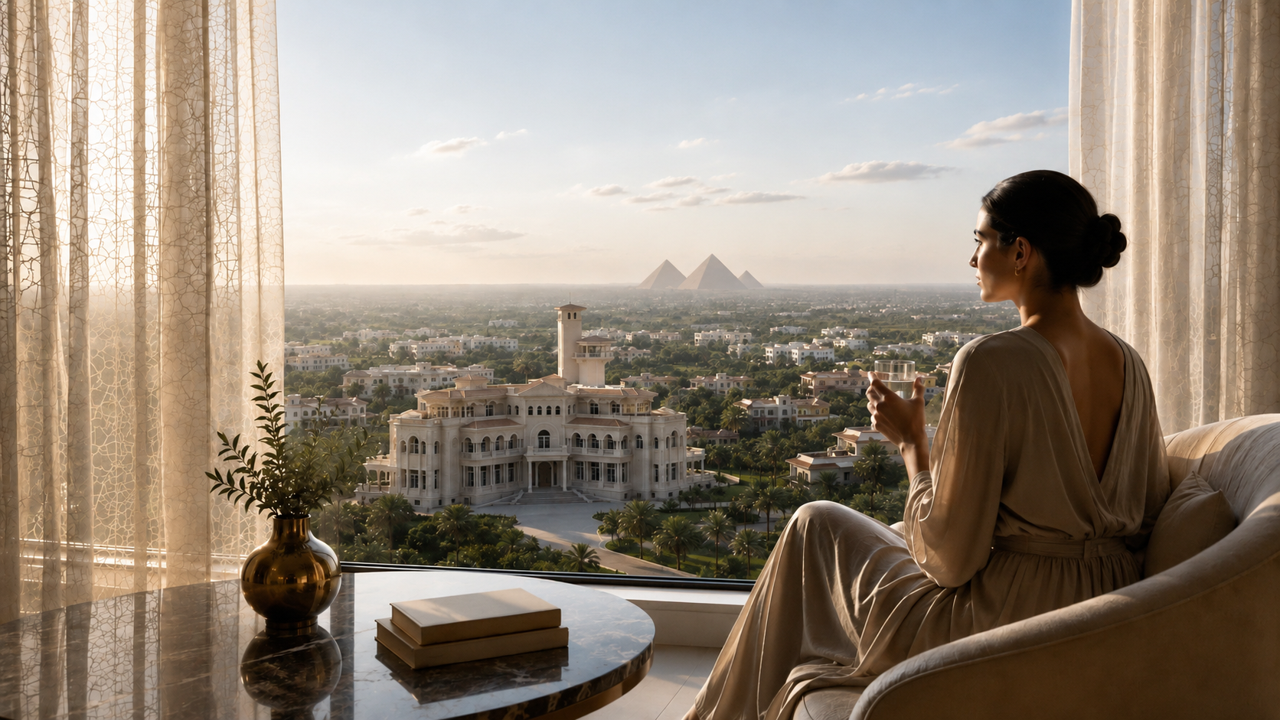
Wellness Moves Inside the Home
The same principle extends into the residences.
The Vie’s residential specifications include circadian-rhythm lighting using Philips Signify systems, designed to support healthier sleep patterns, as well as built-in diffusers and other wellness-oriented interior details. The concept also emphasizes natural elements, panoramic terraces, landscape and water views, and technology intended to personalize residents’ experience.
Here, wellness becomes more intimate.
Lighting affects sleep. Materials influence comfort. Views can shape the relationship between indoor and outdoor environments. Technology can adapt spaces around individual preferences.
Collectively, these details support Regent’s central proposition: wellness should not begin when someone enters a spa or fitness facility. It should be embedded into the residential environment itself.
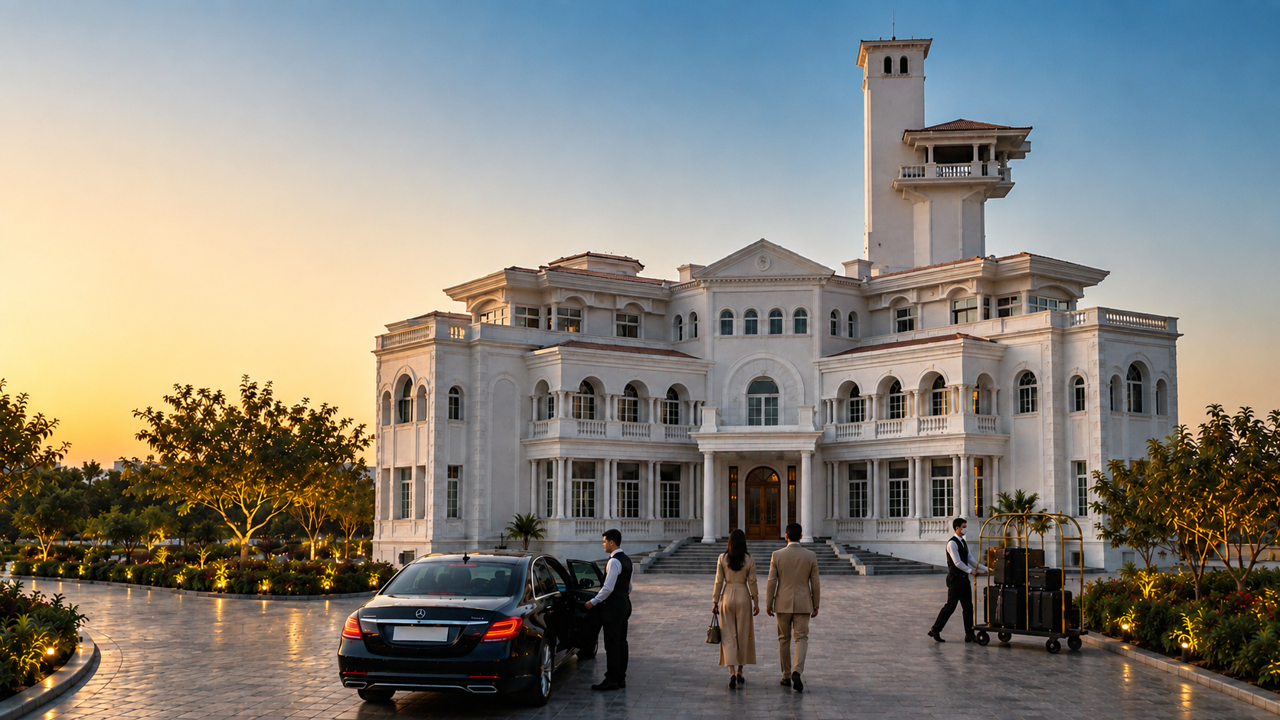
Hospitality as Part of Everyday Living
The second major layer is hospitality.
The Vie incorporates approximately 100 key boutique hotel and 400 branded residences, alongside hotel-level services and professionally managed rental options.
Campbell Gray Hotels & Resorts brings an international hospitality dimension to the project. Founded in 1996, the British luxury hospitality brand operates across Europe, the Middle East, and Africa and, through GHA DISCOVERY, connects guests and residents to a network of more than 800 hotels across 100 countries.
Campbell Gray, in partnership with another leading hospitality operator, will jointly deliver the hospitality and branded residence components of the project.
At The Vie West Cairo, hospitality is intended to extend beyond the hotel into residential life, through services ranging from concierge and housekeeping to personal chef services, transportation, laundry, valet, and personal spa offerings.
The significance is not simply convenience. It represents a shift in the boundary between residential development and hospitality: the home remains private, but its supporting service infrastructure increasingly resembles that of a luxury hotel.
Pure Gray: Beyond the Traditional Spa
That connection becomes clearest through Pure Gray, Campbell Gray’s dedicated wellness concept.
Rather than treating the spa, gym, and health club as separate facilities, Pure Gray is designed around an integrated wellness journey. Its five pillars — Reset, Discover, Slow Down, Move, and Nourish — combine fitness, mindfulness, recovery, and personal wellbeing into one framework.
Campbell Gray describes the model as an alternative to standardized “cookie-cutter” spa concepts, integrating physical fitness and mental recovery rather than approaching them independently.
For The Vie West Cairo, this reinforces a wider message: wellness is not being marketed as a single destination within the project. It is being treated as an operating philosophy running across landscape, residences, hospitality, fitness, recovery, and lifestyle.
Introducing a new dimension of wellbeing at VIE
Rooted in the rich artistic heritage of Spain, Healing Art brings together art, emotion, and the human experience to create spaces designed to inspire balance, connection, and renewal.
At VIE, art becomes more than something to experience, it becomes an integral part of the hospitality journey, thoughtfully curated to engage the senses, elevate wellbeing, and create meaningful moments of connection.
A distinctive Spanish perspective on healing through art, brought to life as part of the VIE experience.
Water and Landscape as Wellness Infrastructure
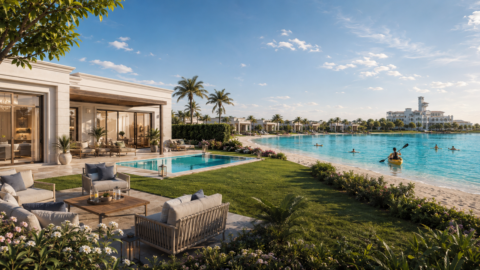
Few elements communicate that philosophy visually as strongly as The Vie’s Dual-lagoon Experience.
The concept combines 26,000 SQM a natural lagoon with a 4,000 SQM swimmable lagoon, supported by features including kayaking and paddle areas, floating decks, private pool lounges, and waterfront experiences. Regent describes the swimmable component as a sandy beach lagoon designed to create a private beach-style environment within the destination.
But beyond aesthetics, water serves several functions: recreation, movement, social interaction, visual openness, and psychological calm.
This is where the line between landscaping and wellness infrastructure begins to blur. The lakes are intended not merely to improve views from residential units but to shape how people use the outdoor environment.
Beyond Wellness: Culture, Food, and Belonging
“Well-Lived Art,” however, is deliberately broader than physical wellbeing.
Regent’s fourth pillar, Cultural Manifestation, introduces spaces and programming for art exhibitions, fashion shows, an amphitheater, and the Premier Club, envisioned as a private community bringing together artists, entrepreneurs, creatives, and cultural explorers.
Food is treated similarly. Concepts such as the Tea Garden are designed around shaded terraces and lakefront settings, turning dining into a social and sensory component of the wider destination rather than a standalone commercial offering.
These elements complete Regent’s definition of wellbeing. A well-lived environment, in its view, is not solely about fitness or recovery. It also involves connection, culture, food, nature, hospitality, and the ability to move between social energy and personal retreat.
Is Wellness Becoming a New Real Estate Category?
The Vie West Cairo ultimately raises a wider question for Egypt’s premium hospitality and luxury real estate market.
As luxury features become increasingly replicable, the next competitive frontier may lie less in what projects contain and more in how coherently those elements come together to create a distinctive hospitality experience.
Regent Signature Developments is positioning The Vie West Cairo around precisely that proposition. Importantly, the project is not conceived as a conventional residential real estate development. VIE West Cairo is the first hospitality destination from its kinds, with a hotel licensing framework supported by the state’s efforts to increase Egypt’s tourism room inventory, alongside its branded residence component. Rather than adding hospitality and wellness as amenities to a residential project, the development is being structured around them from the masterplan outward, through landscape, hospitality, water, food, culture, wellness, and service.
The project’s hospitality proposition will be developed through a joint partnership between Campbell Gray and another hospitality operator, bringing an international service and operating perspective to the destination. This is complemented by a distinctive healing-art concept in partnership with a Spanish specialist, further reinforcing VIE West Cairo’s positioning at the intersection of hospitality, wellbeing, culture, and experience.
For Mohab El Tabei, that makes The Vie West Cairo more than the launch of another development. It represents a significant test of Regent’s broader philosophy: that the future of luxury may no longer be defined simply by owning more, but by experiencing better—and by creating destinations where hospitality, wellbeing, culture, and service are integral to the experience rather than added to it.
Built, Visible, and Hospitality-Led
The credibility of The Vie West Cairo is reflected not only in its vision, but in what is already tangible on the ground. With just 16% of the total land dedicated to building footprints, the project places a strong emphasis on open space, landscape, and experience. Today, visitors can already see the seven-acre water realms, established landscape, clubhouse, and hotel components taking shape within the destination. The project’s hospitality credentials are further reinforced by the fact that the applicable licensing and governmental fees have been duly settled, and the hotel licensing process has been formally approved by the relevant authorities, confirming its status as a hospitality destination rather than a conventional residential development. Together, these elements provide a visible and regulatory foundation for VIE West Cairo’s positioning as an integrated destination built around hospitality, water, landscape, wellness, and curated experiences.